“In a 1913 speech arguing for workmen’s compensation, Theodore Roosevelt told about a young woman whose arm was torn off by the unprotected gears of a grinding machine in her workplace. The state law dictated that gears should be covered, and the woman had complained to her employer that they were not. Her employer’s response was that she should do her job or quit; by continuing to work, the woman therefore assumed the risk of the dangerous work condition. Under the common law, the woman could not receive compensation for her injury because by continuing her employment, she has assumed the risk of work-related injuries or death” (Weinstein 1967, p. 58).
The Triangle Shirtwaist Factory Fire: From Tragedy to Reform
Historical Context
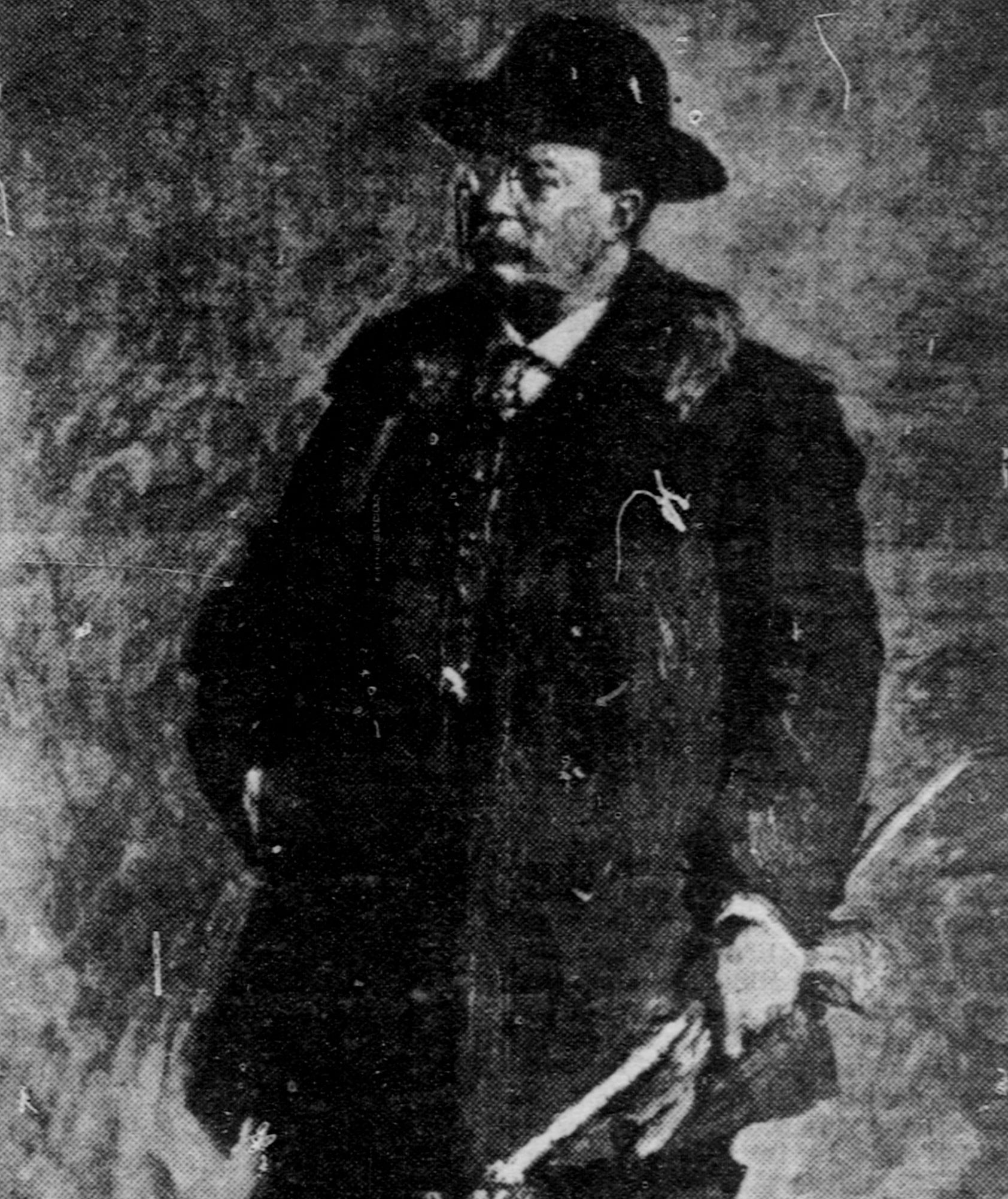
"Portrait of Theodore Roosevelt"
(The Washington Times, 1909).
The Industrial Revolution introduced many factory jobs. Without government regulations, businesses prioritized profit over workers. Employees worked 12-14 hours daily with scarce breaks, low pay, and unsanitary conditions, leading to injuries. Children and uneducated women filled jobs and worked among machinery, resulting in disabilities. Non-English-speaking immigrants, even educated ones, had few other job choices. The New York garment industry mainly employed European immigrants.
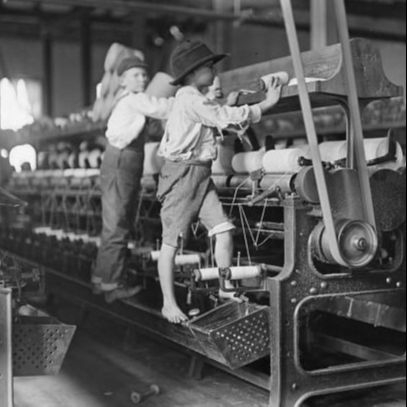
"Child Labor During the Industrial Revolution" (StudentsOfHistory, 2025).
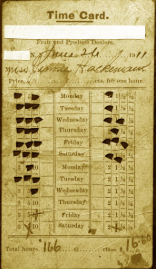
“Time card from 1911 for Miss Jennie Hackemans, who worked for 166 hours over two weeks and earned $16.60 for her efforts” (New York State Archives FIC, 1911).
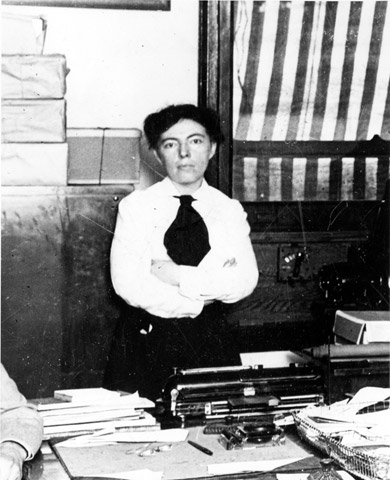
"Pauline Newman, a Russian immigrant, began working at the Triangle factory in 1903 when she was thirteen years old" (Cornell University, 1910).
Immigrant worker, Pauline Newman, said, “When the bell finally rings at 6:30 PM, you are ready to go home.” “But it is not always possible. If there is more work, the owners tell you they need people to stay for the night shift. If not enough people say yes, the supervisor sits in front of the doors, and no one can leave. The first time this happened, I said, ‘My mother will be worried sick if I don’t come home - let me tell her, and I’ll come back.’ They said ‘No-you won’t come back’” (Marsico, p. 74).
In 1877, Massachusetts passed the first factory inspection law, requiring cleanliness; New York followed in 1886. Inspectors requested the legislature “to prohibit women and children from cleaning machinery in motion, to require protection for elevators and hoistways, to see that adequate air space was provided for employees, and to require employers to report injuries to the factory inspector” (Department of Labor). By 1897, fourteen states had similar acts.
Newman said, “No one in those days could afford the luxury of changing jobs - there was no unemployment insurance…another job [would] not be better than the one we had. Therefore, we were, due to our ignorance and poverty, helpless against the power of the exploiters.” She recalls, “As I look back to those years of actual slavery I am quite certain that the conditions under which we worked and which existed in the factory of the Triangle Waist Co. were the acme of exploitation perpetrated by humans upon defenceless (sic) men women and children -- a sort of punishment for being poor and docile.” Newman continues, “Despite these inhumane working conditions the workers – including myself – continued to work for this firm. What good would it do to change jobs since similar conditions existed in all garment factories of that era?” (Newman, 1969).
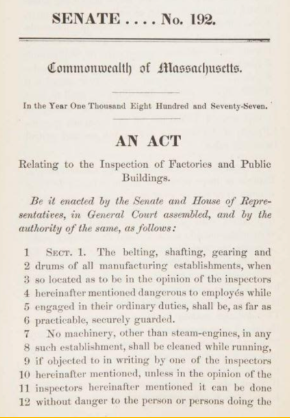
"1877 Senate Bill 192. An Act Relating To The Inspection Of Factories And Public Buildings" (State Library of Massachusetts Digital Collections).
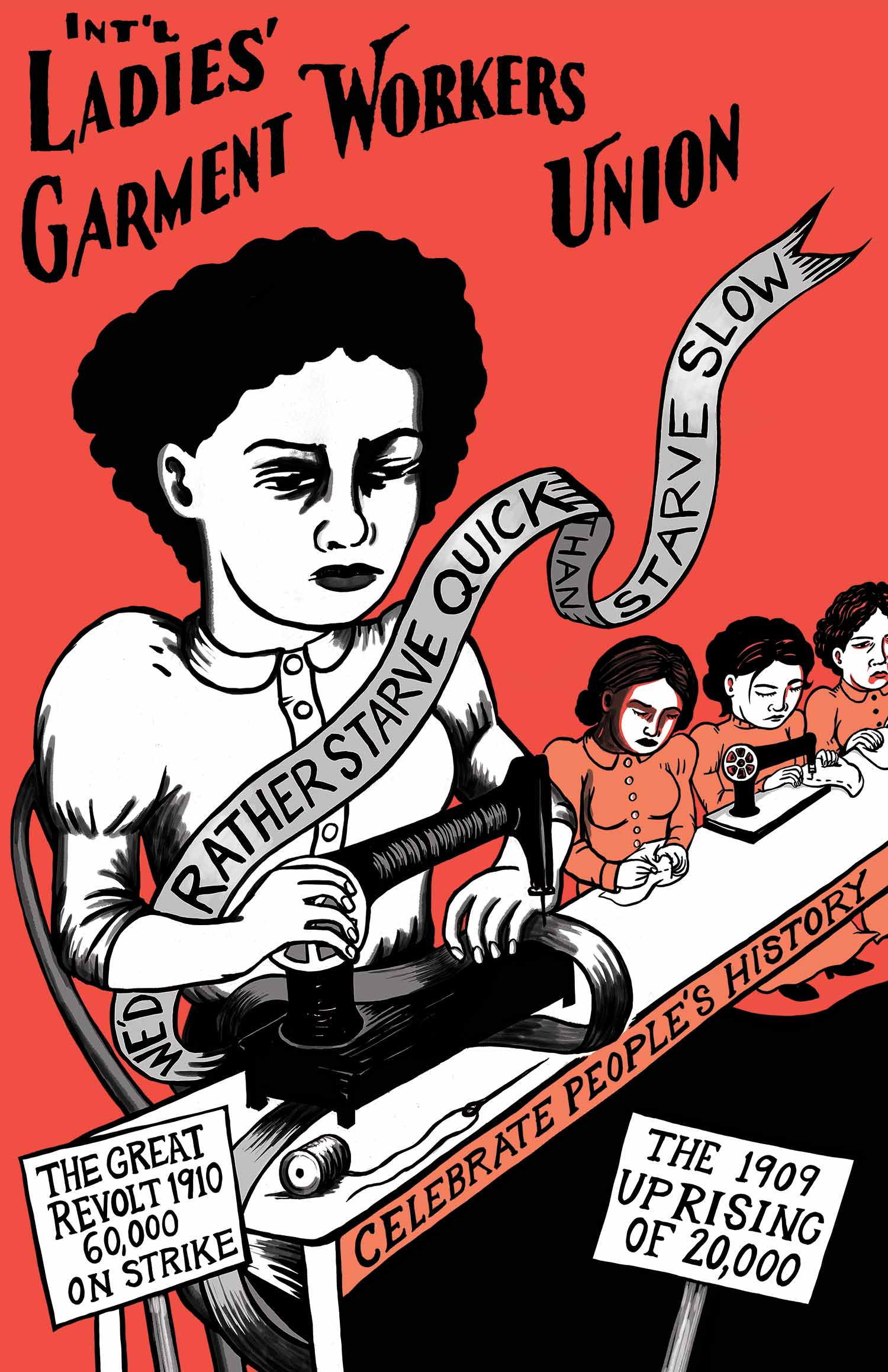
"Int’l Ladies’ Garment Workers Union"
(Zinn Education Project).
In 1900, the International Ladies’ Garment Workers’ Union (ILGWU) formed, supporting female workers.
In 1909, fire experts warned Triangle Factory owners, but were ignored. That year, Clara Lemlich led an ILGWU strike: “I have listened to all the speakers, and I have no further patience for talk. I am a working girl, one of those striking against intolerable conditions. I am tired of listening to speakers who talk in generalities. What we are here for is to decide whether or not to strike. I make a motion that we go out in a general strike” (Boehm, 2013). Strikers swore, “If I betray this cause I now pledge, may my hand wither from the arm I now raise” (Boehm, 2013). The “Uprising of the 20,000” was a major female-led strike from November 1909 to February 1910.
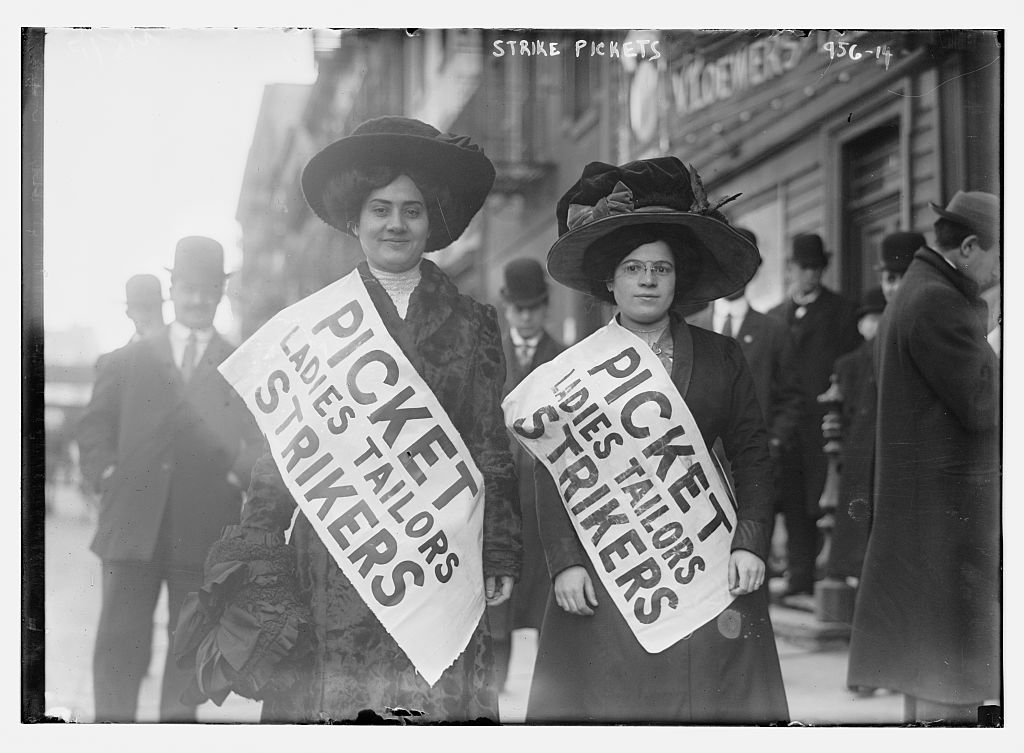
"Strike Pickets" (Library of Congress, 1910).
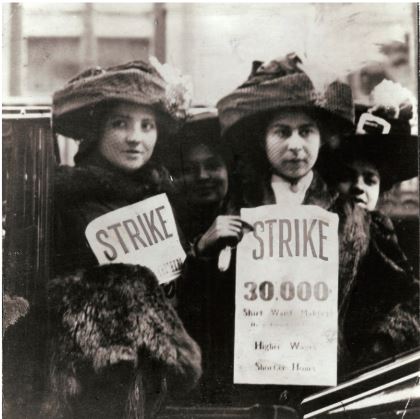
“In winter 1909 these two garment workers took part in a walkout protesting low wages and poor working conditions” (Marsico, p. 25).
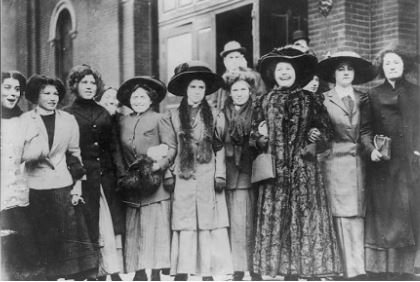
“Group of striking women" (Library of Congress, 1909).